Going underground on the DART+ and MetroLink
One of the National Strategic Outcomes set out in Project Ireland 2040 is ‘Sustainable Mobility’, including a commitment to delivering the key public transport objectives of the Transport Strategy for the Greater Dublin Area 2016- 2035. But what role will temporary works play?
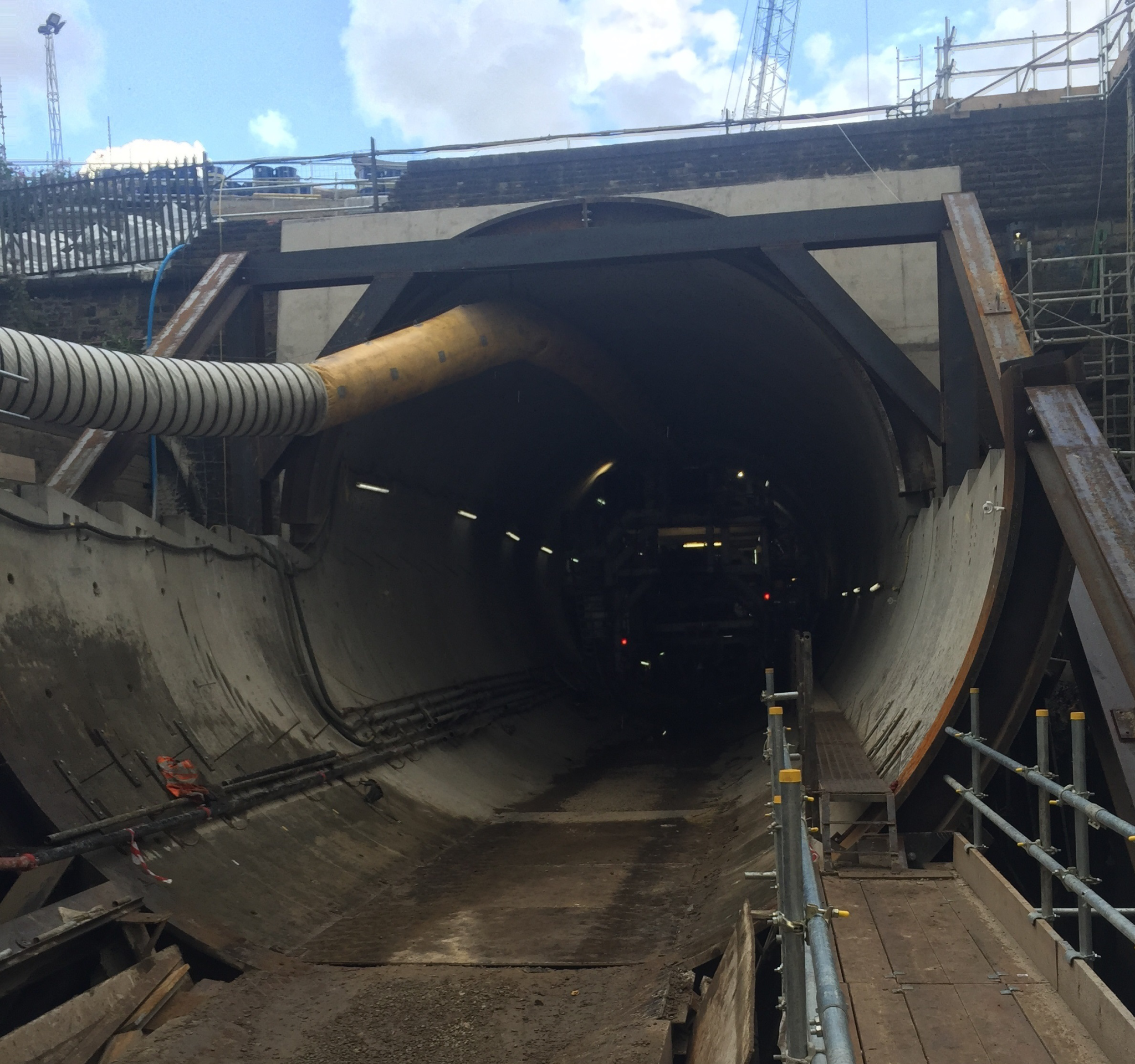
The National Development Plan, which includes a €24.3 billion transport investment for 2026-2030, prioritises the DART+ programme as a key sustainable, high-frequency, electrified rail project. Intended to expand capacity in the Greater Dublin Area, it will see the existing DART network grow from its current 50km in length to over 150km.
While MetroLink Ireland is a proposed 18.8km rapid transit line that will connect Dublin’s Northside, airport and city centre to the Southside, running primarily underground with 16 new stations. Described as a transformative piece of public transport infrastructure, it was formally given the go-ahead by Ireland’s planning board in October 2025.
Both represent considerable investment in transforming public infrastructure, in turn futureproofing the region for further growth plans. While exciting, projects of this scale are not without their challenges. When it comes to constructing new transport infrastructure – including rail tracks, stations, tunnels and other associated structures – especially within crowded urban areas, going underground will be incredibly challenging and complex.
It is here that temporary works can have a big role to play, helping to deliver the wider works safely, efficiently and to schedule.
Groundworks and propping
With every available inch likely being utilised, the reality is that the site geometry will be incredibly complex, requiring a bespoke groundworks and propping support scheme to match. As well as requiring more bespoke detailing, the large size, high shear loads, detailed connections and proximity to neighbouring structures can also result in the associated risk being higher. It is for this reason that liaising with a temporary works supplier early on in a project’s construction sequence can be so valuable, as well as maximising the use of BIM and other digital design technology.
The 3D visualisation and high levels of accuracy can help bring the project to life safely, with the opportunity to explore both the site and proposed temporary works scheme in a virtual and immersive way, offering a digital rehearsal of the works. This can be especially invaluable when it comes to tendering for a project, with the 3D visualisation helping contractors to demonstrate how they plan to approach a project and the proposed scheme’s constructability.
Structural monitoring
Given the tight site restraints and neighbouring buildings and infrastructure seen on city centre sites, both structural monitoring and environmental monitoring can prove essential. As well as providing the assurance that any neighbouring buildings remain structurally safe, such technology can also be used to ensure that the construction works are complying with the agreed environmental levels, often set by the local authority.
With excavation projects and their early piling works potentially generating a large amount of noise, dust and vibrations, it’s vital that these levels are closely monitored and managed, especially given the likelihood of businesses, offices and homes being in close proximity (if not next door) to the construction site.
Whether it’s the DART+ programme, new Metro Link or other works within the transport sector, learn how we can support you here Civil Infrastructure
Contact us to find out more


 Ireland
 Ukraine
 Sweden
 Norway
 Belgium
 Germany
 Corporate Site